USWNT vs Spain: The Counterattacking Plan That Could Help Emma Hayes Before World Cup Qualifying
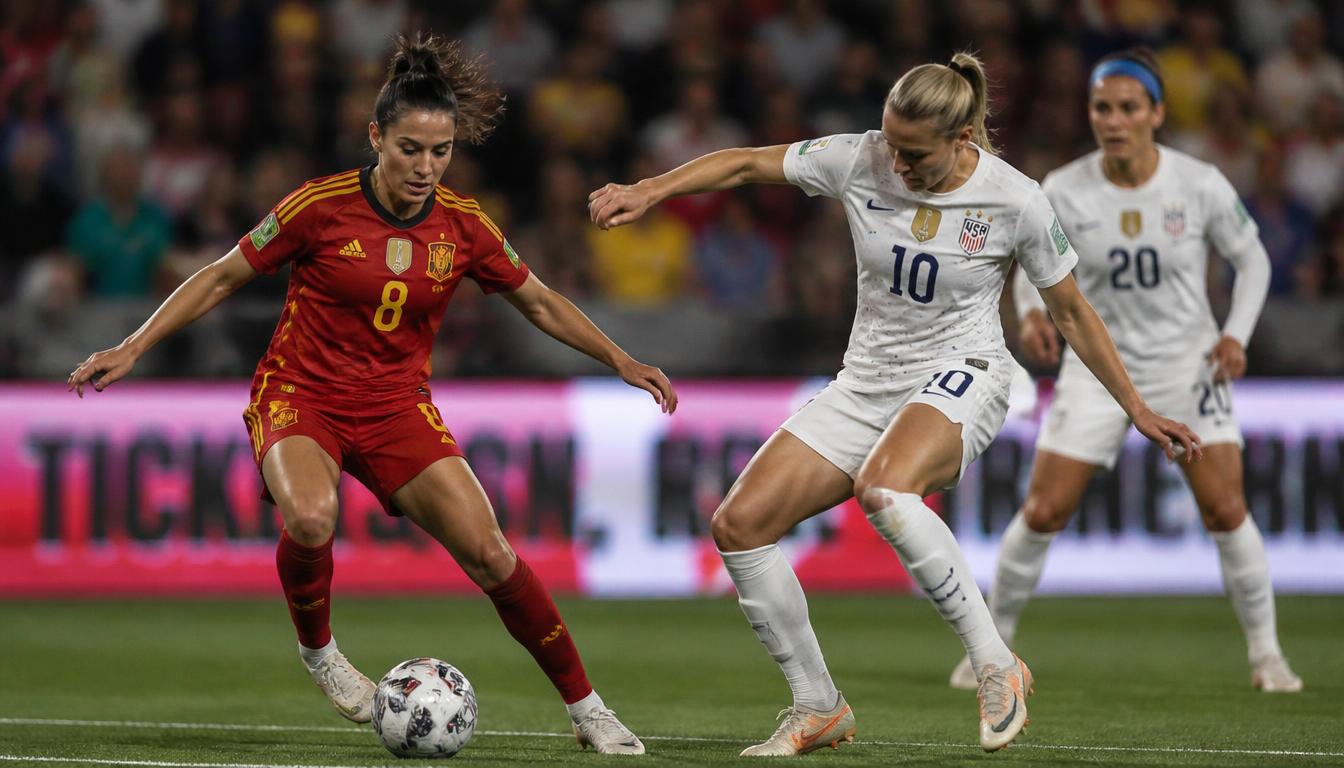
The United States Women’s National Team needed a response after its 2–0 defeat to Spain on October 10. Three days later, the Americans delivered one, fighting back from another two-goal deficit to earn a 2–2 draw at Subaru Park in Chester, Pennsylvania.
The comeback was important, but the scoreline only tells part of the story.
Spain showed why it remains one of the most difficult teams in international football to face. The USA, however, found ways to hurt the world champions when it moved forward quickly and attacked before the Spanish defense could settle.
Goals from Ashley Sanchez and Mallory Swanson rescued the result for the Americans. For head coach Emma Hayes, the performance also offered something useful ahead of the next major test: evidence that the team’s attacking options can make a difference even when the match is not going to plan.
The next challenge is turning those promising moments into a more complete performance.
Ashley Sanchez Gives the USA a Way Back Into the Game

Spain controlled important periods of the first half and took the lead through Alexia Putellas. Salma Paralluelo then added a second goal, putting the USA in a difficult position once again.
The Americans had to find a response without allowing frustration to affect their decision-making.
Sanchez provided the breakthrough early in the second half. The attacking move developed quickly, with Sophia Wilson carrying the ball forward before the opportunity reached Sanchez, who finished into the far side of the goal.
It was a valuable contribution from a player returning to a more prominent role with the national team.
Rather than trying to pass through every line of Spain’s defense, the United States used forward movement to create an opening. Wilson’s direct run helped stretch the defense, while Sanchez showed the composure needed to finish the opportunity.
The goal changed the atmosphere of the match and gave the USA a realistic chance of rescuing the result.
Mallory Swanson’s Equalizer Shows the Value of the Entire Squad
Sanchez brought the USA back into contention, but the equalizer demonstrated why contributions from substitutes and less-established options matter over a long international season.
With the match approaching its closing stages, the United States continued to search for openings. A move involving Kate Del Fava, Michelle Cooper and Swanson eventually produced the second goal.
Cooper supplied the ball, and Swanson finished to make it 2–2.
For Swanson, the goal was another encouraging moment following her return to the national team after an extended absence. For Hayes, the sequence also highlighted the value of having different profiles available from the bench.
A team cannot always rely on its starting lineup to solve every problem. Late in a match, fresh legs, direct running and confident decisions can change the outcome.
The USA still has work to do, but the equalizer offered a reminder that its attacking resources extend beyond the first eleven players.
Why the Counterattack Could Be Important Against Elite Teams
One of the biggest lessons from the draw was the importance of choosing the right moment to attack.
Spain are comfortable keeping possession, moving opponents across the pitch and looking for gaps between defensive lines. Trying to match that approach pass for pass can become difficult, particularly when the USA loses the ball in dangerous areas.
The Americans showed another option in the second half: move forward with purpose when space appears.
Quick transitions can force even technically strong teams to defend while retreating. A forward who carries the ball at pace can pull defenders out of position, while runners arriving from wide areas can create opportunities before the opposition reorganizes.
That does not mean the United States should abandon possession-based football. Instead, the team needs to recognize when patient buildup is appropriate and when an immediate forward attack offers a better chance of creating danger.
The two comeback goals provide useful examples of how direct attacking movements can produce results against elite opposition.
The question now is whether the USA can make those moments part of a consistent plan rather than relying on them when chasing a game.
The Defensive Concerns Have Not Disappeared
Despite the encouraging comeback, Hayes cannot overlook the problems that allowed Spain to establish a two-goal advantage.
Spain found space in dangerous areas and punished mistakes. The USA’s difficulty in preventing those opportunities meant the team once again had to spend much of the match trying to recover.
That is a risky approach against international opponents capable of controlling possession and protecting a lead.

A stronger defensive performance will require better communication, improved positioning and more coordinated pressure when Spain or another leading opponent builds attacks.
The challenge also extends to the goalkeeper and defenders working together when playing out from the back. Passing options must be clear, and decisions under pressure need to reduce the risk of presenting the opposition with an immediate scoring opportunity.
A comeback can reveal a team’s character, but defensive consistency is what helps prevent the same situation from happening repeatedly.
Emma Hayes Has More Questions to Answer Before Qualifying
The Spain matches have given Hayes valuable information about her squad.
Players returning from long absences have had opportunities to contribute, while other members of the group have been tested against one of the world’s strongest national teams. The response from the bench also gives the coaching staff more to consider when planning future lineups.
The next step is determining how to combine those attacking possibilities with greater defensive stability.
The USA does not need to take the same approach in every match. Different opponents will demand different solutions. Against a team that presses aggressively, quick forward passes may create space. Against an opponent defending deep, patience and movement around the penalty area could be more important.
The most useful outcome from this international window will be a clearer understanding of which combinations work best and how the team can adjust when its opening plan fails.
The draw is a positive result after falling behind, but it should be viewed as information for the next stage of preparation rather than proof that every problem has been solved.
What Comes Next for the USWNT?
The USWNT now turns its attention toward the Concacaf W Championship, where qualification for the 2027 FIFA Women’s World Cup in Brazil will be at stake.
The United States is scheduled to meet El Salvador in the quarterfinals on November 27. The tournament carries much greater consequences than a friendly, making preparation and selection decisions especially important.
Hayes will want her team to take confidence from the Spain comeback while recognizing that stronger starts and fewer defensive errors are essential.
The draw showed that the USA can respond under pressure. The next test is proving it can combine that fighting spirit with a more controlled performance from the opening whistle.
For the USWNT, the most important lesson from Spain may be this: attacking ambition matters, but knowing when to move forward quickly—and defending well enough to avoid chasing the game—is what turns a comeback into consistent progress.
What do you think the USA needs most before World Cup qualifying: better defensive organization or more attacking consistency?
Share your opinion in the comments.