Introduction
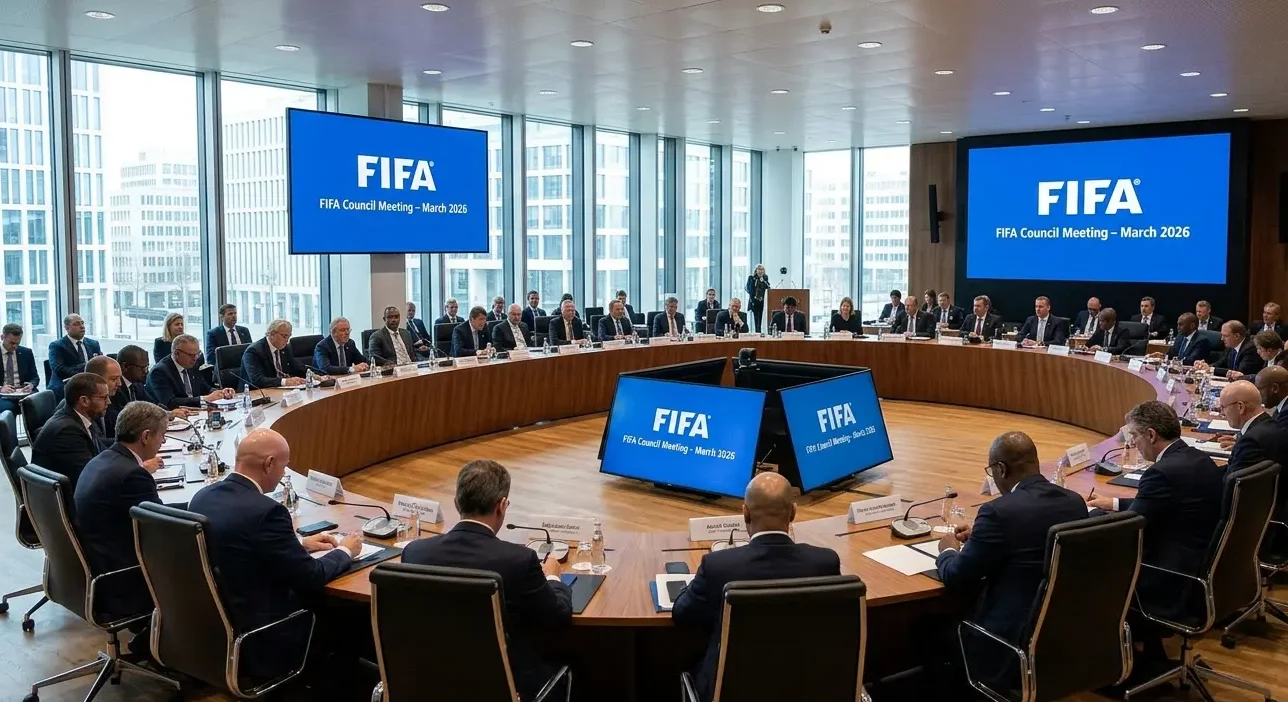
In March 2026, the FIFA Council codified new legislation in Zurich, Switzerland, officially establishing the FIFA female coach quota rule. This landmark mandate requires that all teams competing in FIFA-sanctioned women’s tournaments must include at least one female head coach or assistant coach on their staff. Designed to address widespread gender disparities in international technical areas, the initiative takes effect immediately, impacting the upcoming U-17 and U-20 FIFA Women’s World Cups. With industry professionals actively analyzing what this means for soccer sideline representation, governing bodies intend for the rule to foster systemic development pathways ahead of the 2027 Women’s World Cup in Brazil.
Event Breakdown: New FIFA Sideline Mandates
The FIFA female coach quota rule establishes strict, objective criteria for national team and club technical staffs participating in global women’s competitions. The core components of the FIFA Council regulations include:
- Coaching Requirement: Every participating team must list at least one woman as either the head coach or an assistant coach.
- Total Bench Representation: Teams are required to have a minimum of two female staff members seated on the bench during matches.
- Medical Staff Mandate: At least one of the female staff members present must belong to the team’s medical personnel.
These directives are legally binding for all FIFA youth and senior women’s national team tournaments, as well as official club competitions like the Women’s Champions Cup.
Timeline of Developments
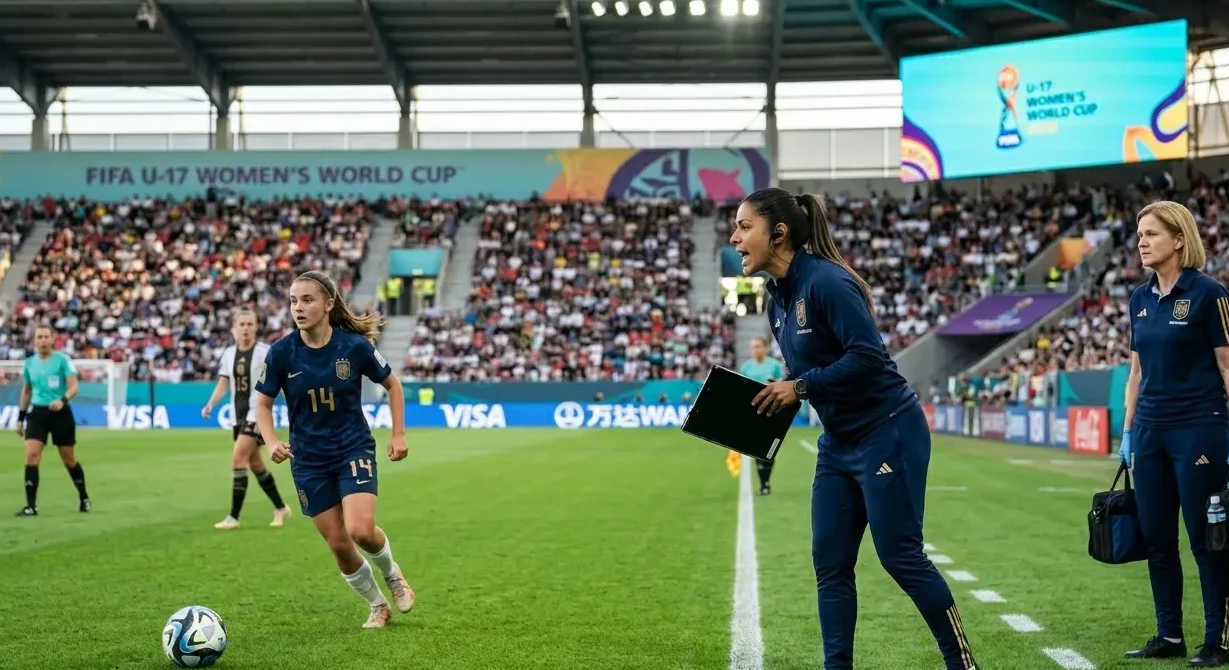
The implementation of these women in sports coaching regulations follows a multi-year assessment of global football demographics:
- August 2023: The 2023 Women’s World Cup concludes, highlighting a severe underrepresentation of female managers globally.
- 2021–2025: FIFA invests in long-term strategy initiatives, supporting nearly 800 female coaches through global education scholarship programs.
- March 19, 2026: The FIFA Council officially approves and passes the mandate requiring female representation on women’s team sidelines.
- September 2026: The rule will face its first major operational test at the U-20 Women’s World Cup.
- 2027: The mandate will be enforced at the Women’s World Cup in Brazil.
Verified Statements from Industry Leaders
The announcement generated direct, analytical responses from both organizational executives and active coaches regarding the realities of soccer sideline representation.
Jill Ellis, the FIFA Chief Football Officer and former USWNT head coach, emphasized the mathematical disparity in her official address. “There are simply not enough women in coaching today,” the Jill Ellis FIFA statement read. “We must do more to accelerate change by creating clearer pathways, expanding opportunities, and increasing the visibility for women on our sidelines.”
Active professionals underscored the functional necessity of the ruling. Mariana Cabral, assistant manager for the NWSL’s Chicago Stars, pointed out that the mandate must result in practical opportunities rather than token appointments. “It needs to give someone a real chance to work,” Cabral stated. She elaborated that female managers who reach the highest levels—such as Sarina Wiegman and Emma Hayes—are currently the exception rather than the standard. Cabral emphasized that women in the industry are rarely afforded the same space to make mistakes and develop as their male counterparts, noting, “Gender does not determine the comp [competence].”
Coaching Demographics Data
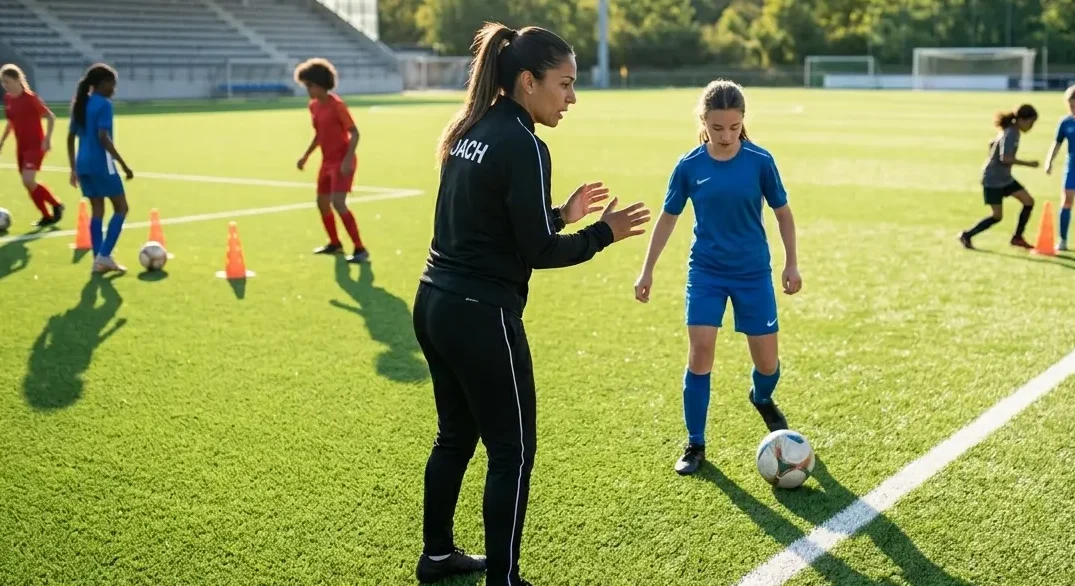
To understand the necessity of the FIFA female coach quota rule, it is essential to review the verifiable baseline data from recent global tournaments.
Table 1: Coaching Demographics at the 2023 Women’s World Cup
| Category | Data | Percentage |
|---|---|---|
| Total Competing Teams | 32 | 100% |
| Teams with Female Head Coaches | 12 | 37.5% |
| Teams with Male Head Coaches | 20 | 62.5% |
Context & Impact Analysis
The immediate and long-term implications of these FIFA Council regulations are substantial for global federations.
Short-Term Implications
Federations without established pipelines for female managers must restructure their technical staffs rapidly to comply with the upcoming U-17 and U-20 tournaments. For countries where the women’s game is historically underdeveloped, this creates an urgent demand for certified female coaching and medical personnel. It forces national associations to stop overlooking female candidates for assistant roles.
Long-Term Significance
By the time the Women’s World Cup 2027 arrives, the global talent pool for female managers is expected to expand. The requirement guarantees that women will gain vital international tournament experience—even as assistants—which serves as a prerequisite for elite head coaching jobs in the future. As Cabral’s analysis highlighted, ensuring women have the “real chance to work” provides them the critical environment needed to learn, adapt, and build resumes that compete directly with male counterparts.
FAQ SECTION
Q: What is the new FIFA female coach quota rule?
A: The rule mandates that every team participating in a FIFA women’s tournament must have at least one female head coach or assistant coach, and a minimum of two female staff members on the bench (including one medical professional).
Q: When does this new FIFA mandate take effect?
A: The mandate goes into effect in 2026, starting with the U-17 and U-20 FIFA Women’s World Cups, and will apply to all future major tournaments including the 2027 Women’s World Cup.
Q: Why was this quota rule implemented?
A: The rule was implemented to combat gender disparity in technical areas. For context, at the 2023 Women’s World Cup, only 12 out of 32 national teams were managed by female head coaches.
ENGAGEMENT ELEMENT
What are your thoughts on this structural shift in international soccer? Will this mandate successfully bridge the gender gap in top-tier coaching, or are broader grassroots changes still needed? Let us know your tactical analysis in the comments below
Conclusion
The FIFA female coach quota rule represents a definitive structural shift in international sports legislation. By mandating baseline female representation for coaching and medical roles, FIFA transitions from suggesting diversity to strictly enforcing it. As federations prepare for the 2026 youth tournaments and the 2027 Women’s World Cup, the long-term success of the initiative will be measured by whether these enforced sideline roles translate into lasting, equitable career pathways for female professionals.