
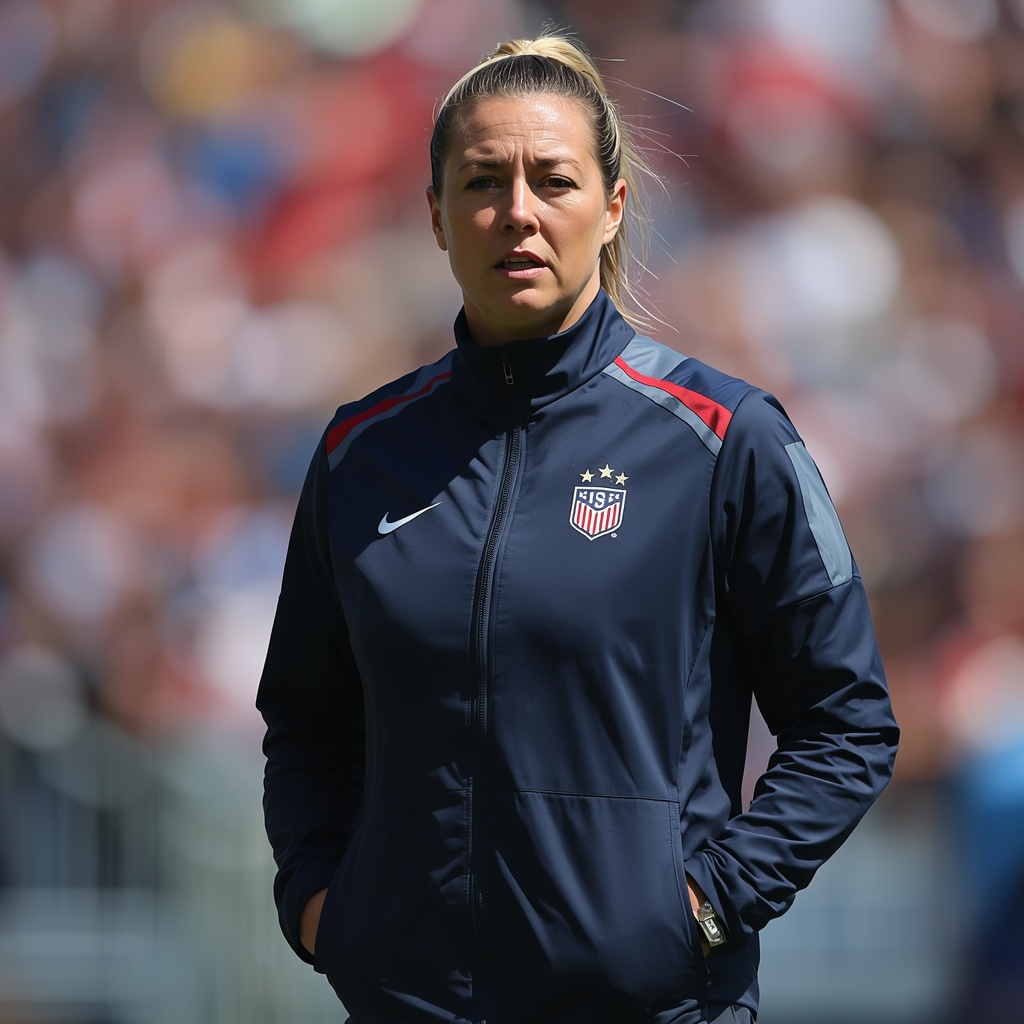
USWNT head coach Emma Hayes has long been a champion of the sport’s global reach, and she now sees a future where soccer could become the most popular sport in the United States. As the nation plays host to the 2026 FIFA World Cup, interest in the game has reached an all-time high, with recent data indicating soccer has officially surpassed baseball as the third-favorite sport among Americans. For Hayes, this shift is more than just a trend—it represents a fundamental change in the American sporting landscape.
The Rise of Soccer in the U.S.
The conversation around soccer’s growth in the U.S. has moved beyond speculation. Recent reporting from The Economist and Fox Sports confirms that approximately 10% of Americans now identify soccer as their favorite sport, placing it behind only American football and basketball. This milestone is being driven by several key factors:
- Tournament Impact: The 2026 FIFA World Cup, hosted by the U.S., Canada, and Mexico, has acted as a massive catalyst for engagement.
- Demographic Shifts: Interest is highest among 18–34-year-olds, a demographic that is increasingly turning away from traditional legacy sports.
- Professional Expansion: The sustained growth and expansion of Major League Soccer (MLS) to 30 teams have established a consistent, year-round footprint for the sport.
Key Takeaways
- Ranking Shift: Soccer has moved into the top three most-followed sports in the U.S., climbing ahead of Major League Baseball.
- Youth Appeal: The sport is significantly more popular among younger adults (18–34) than the general population, signaling long-term sustainability.
- Strategic Vision: Emma Hayes, who took the helm of the USWNT in 2024, views the sport’s integration into American culture as inevitable rather than aspirational.
Tactical Growth and Team Evolution
For the USWNT, this period of increased visibility aligns with a transition under Hayes. Since taking over as head coach, Hayes has focused on modernizing the team’s tactical approach. Rather than relying solely on physical dominance—the hallmark of previous generations—Hayes is emphasizing ball retention and tactical flexibility.
”Football is changing so much,” noted team captain Lindsey Horan. “The modern game is so much more with the ball and not just based off physical dominance.” This shift in philosophy reflects the broader evolution of the sport in the United States, where the emphasis is moving toward technical development and complex tactical structures.
FAQ Section
1. Is soccer really the third most popular sport in the U.S.?
Yes, according to recent surveys cited by The Economist and Fox Sports (2026), soccer has overtaken baseball as the third most favorite sport, trailing only American football and basketball in overall fan preference.
2. Why does Emma Hayes think soccer can be No. 1?
Hayes views the sport’s global ubiquity, the massive influx of youth participation, and the continued professionalization of leagues like the NWSL and MLS as indicators that the sport’s growth trajectory is unparalleled by traditional American pastimes.
3. What role does the 2026 World Cup play?
The 2026 FIFA World Cup is a major driver of current interest. Hosting matches on home soil has increased media coverage, fan engagement, and investment in soccer infrastructure across the country.
4. Is soccer more popular with younger Americans?
Data from YouGov (2026) confirms that soccer’s momentum is driven heavily by the 18–34 age demographic, where interest significantly outpaces that of older Americans.
5. How has the USWNT changed under Emma Hayes?
Hayes has implemented a more possession-based, tactically fluid system compared to the historically direct and physical style of the USWNT, aiming to adapt the squad to the evolving nature of the modern global game.