Table of Contents
- Introduction: A New Chapter for USWNT Advocacy
- The Generational Shift: From Rapinoe to Coffey
- Historical Context: The Legacy of the “Equal Pay” Pioneers
- The 2022 Precedent: “Protect Trans Kids” and Texas Activism
- Sam Coffey’s Personal Evolution and Manchester City Transition
- The Road Ahead: SheBelieves Cup 2026 Schedule
- Impact Analysis: Why Athlete Voices Matter in 2026
- Frequently Asked Questions (FAQ)
Introduction: A New Chapter for USWNT Advocacy
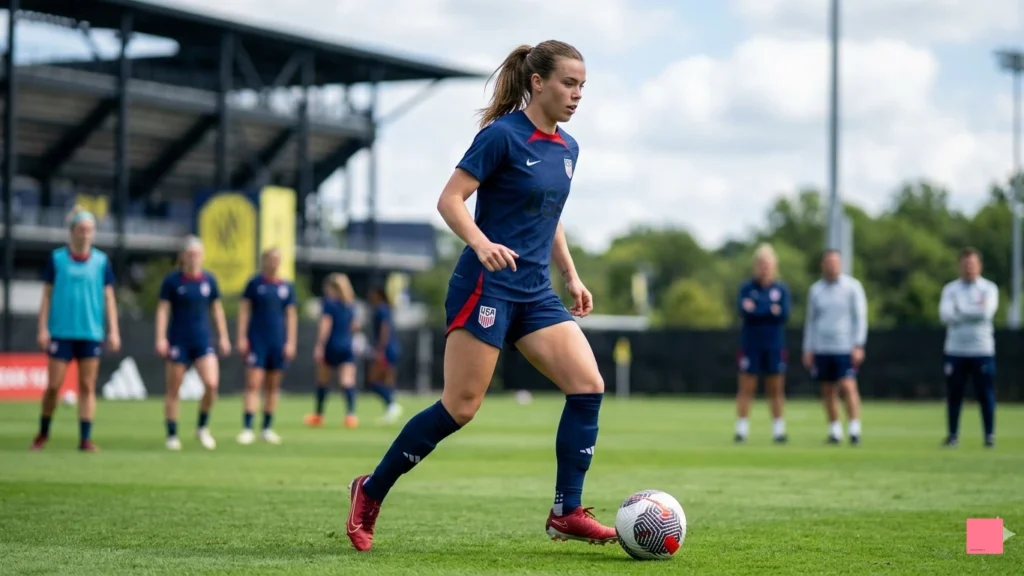
As the United States Women’s National Team (USWNT) prepares for the 2026 SheBelieves Cup, midfielder Sam Coffey has sparked a vital conversation regarding the squad’s role in social activism. Speaking from Nashville, Tennessee, the 27-year-old Manchester City star emphasized that the current roster feels a profound responsibility to use their platform for social justice. With legendary figures like Megan Rapinoe and Alex Morgan no longer anchoring the locker room, Coffey is emerging as a leading voice in defining how the “new iteration” of the team will uphold the USWNT’s long-standing tradition of advocacy.
The Generational Shift: From Rapinoe to Coffey
Defining a New Identity
For over a decade, the USWNT’s identity was inseparable from the activism of veteran leaders. Names like Becky Sauerbrunn, Meghan Klingenberg, and Megan Rapinoe were synonymous with both World Cup titles and legal battles for equality. Sam Coffey candidly noted that while it was once “easier as a younger player” to follow their lead, the mantle has now passed to her generation.
”What does that look like for this iteration of this team? We no longer have the Beckys, the Klings, the Pinoes, Alex Morgans… that responsibility is on us, and responsibility is the exact word.” — Sam Coffey
The “Beacon of Light” Philosophy
Coffey views the team not just as a sports entity, but as a “beacon of light in times of darkness.” She acknowledged that the current squad is still “figuring out” its specific voice, aiming for an approach that feels authentic to the 2026 roster rather than merely mimicking the past.
Historical Context: The Legacy of the “Equal Pay” Pioneers
To understand Coffey’s comments, one must look at the foundation laid by her predecessors. The USWNT has been at the forefront of the gender equity movement in global sports.
| Year | Milestone Development | Outcome |
|---|---|---|
| 2016 | Five players file EEOC complaint | Formalized the fight against pay discrimination |
| 2019 | 28 players sue U.S. Soccer | High-profile legal battle during the World Cup |
| 2022 | $24 Million Settlement reached | $22M in back pay and $2M for player funds |
| 2022 | Equal Pay CBA signed | Men’s and Women’s teams achieve identical pay structures |
The 2022 Precedent: “Protect Trans Kids” and Texas Activism
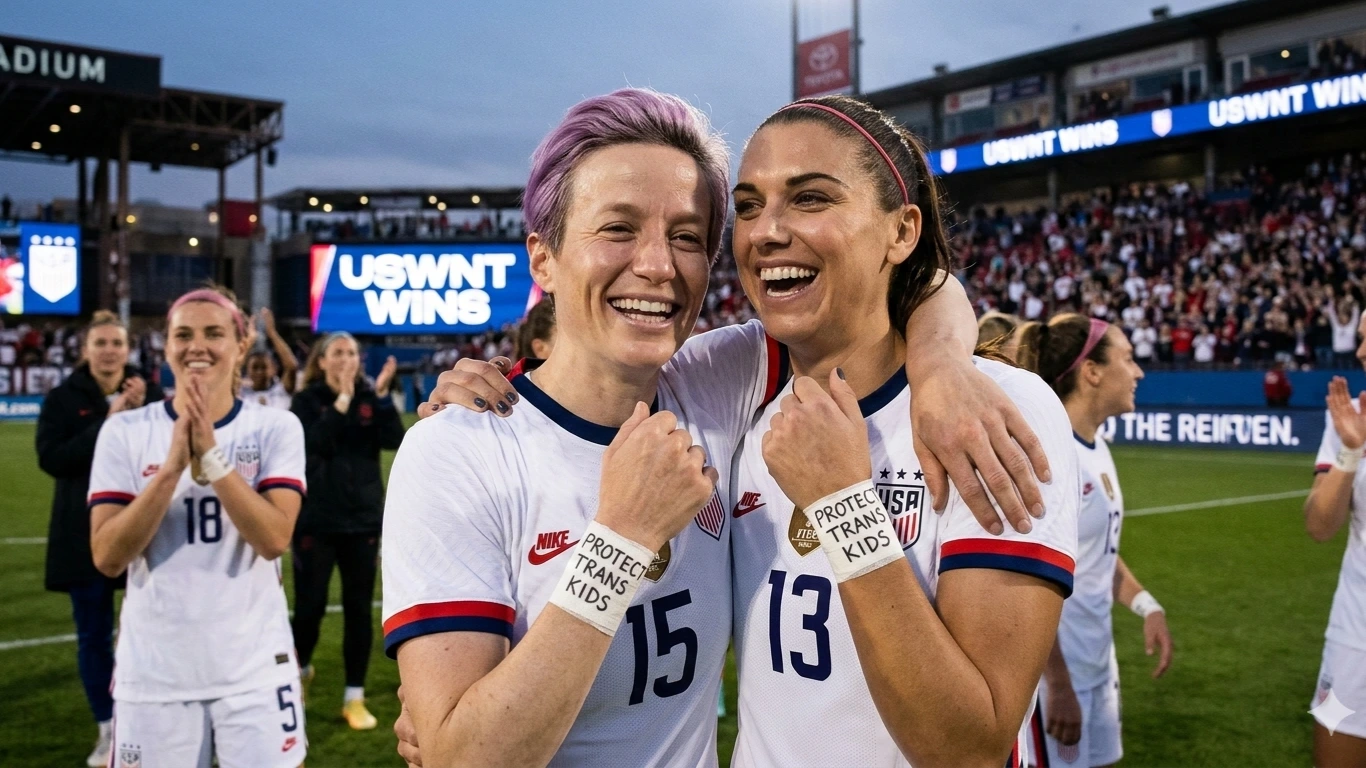
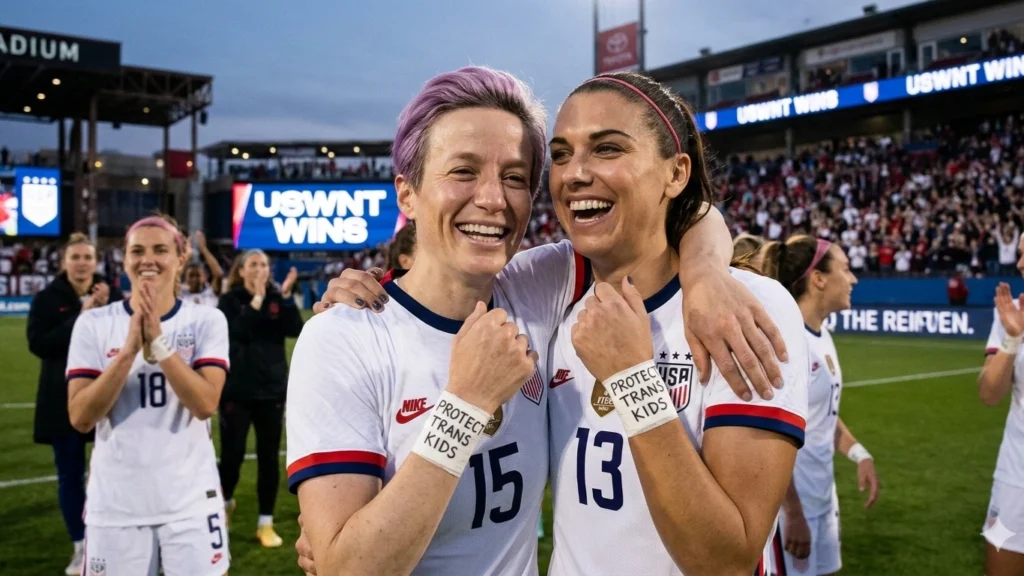
Advocacy for the USWNT extends beyond financial compensation. A pivotal moment in the team’s recent history occurred during the 2022 SheBelieves Cup in Frisco, Texas. In response to state directives targeting gender-affirming care, players wore “Protect Trans Kids” wristbands.
Five players from that specific 2022 roster remain influential in the 2026 squad:
- Emily Sonnett
- Trinity Rodman
- Rose Lavelle
- Emily Fox
- Lindsey Horan (Heaps)
This history of immediate, visual protest informs Coffey’s belief that the team must be “better in the ways that we’re being vocal.”
Sam Coffey’s Personal Evolution and Manchester City Transition
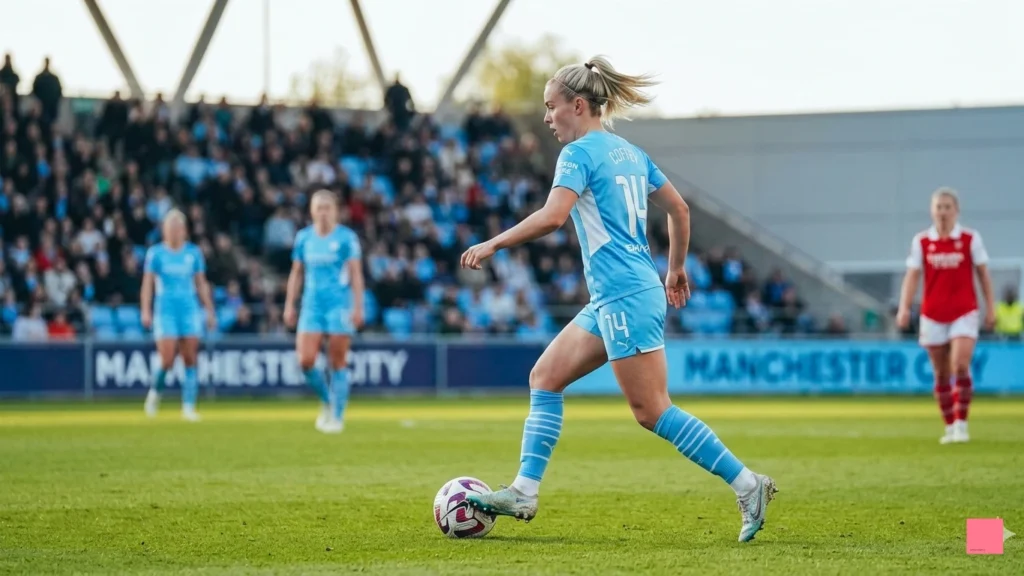
Coffey’s rise to a leadership role coincides with her move to the Women’s Super League (WSL). After a successful stint with the Portland Thorns in the NWSL, she transferred to Manchester City in January 2026. This international experience under USWNT head coach Emma Hayes has broadened her perspective on the global impact of the USWNT brand.
Coffey maintains that the team is a “pillar” of social justice, regardless of the specific topic. Whether it is LGBTQ+ rights, racial equity, or equal pay, the goal remains the same: being an advocate for the voiceless.
The Road Ahead: SheBelieves Cup 2026 Schedule
The USWNT will look to balance their social responsibilities with on-field performance during the upcoming round-robin tournament.
- March 1: vs. Argentina (Nashville, TN)
- March 4: vs. Canada (Columbus, OH)
- March 7: vs. Colombia (Harrison, NJ)
Impact Analysis: Why Athlete Voices Matter in 2026
The shift in the USWNT’s leadership comes at a time when the intersection of sports and politics is more scrutinized than ever. Coffey’s admission that the team is “still figuring out” its voice suggests a transition from the confrontational activism of the late 2010s to a perhaps more nuanced, collaborative approach in the late 2020s.
Short-term Impact: Increased media attention on the team’s gestures during the SheBelieves Cup national anthems and post-match interviews.
Long-term Impact: Ensuring the “USWNT Brand” remains synonymous with progress, attracting sponsors who value corporate social responsibility (CSR).
Frequently Asked Questions (FAQ)
Q1: Who is Sam Coffey playing for in 2026? A: Sam Coffey currently plays for Manchester City in the English Women’s Super League (WSL) after transferring from the Portland Thorns.
Q2: What is the SheBelieves Cup? A: It is an invitational women’s soccer tournament hosted by U.S. Soccer, featuring the USWNT and three other top-tier international teams.
Q3: Why did the USWNT wear “Protect Trans Kids” wristbands? A: They were protesting a 2022 Texas directive that characterized gender-affirming care as child abuse.
Q4: Is Emma Hayes still the coach of the USWNT? A: Yes, Emma Hayes is the head coach, leading the team through a period of “dynamic experimentation” as mentioned by Coffey.
What do you think?
As a fan, do you prefer when athletes use their platform to speak on social issues, or should the focus remain strictly on the pitch? Let us know in the comments below!
1 thought on “USWNT Midfielder Sam Coffey: Embracing the “Responsibility” of Social Advocacy in a New Era”