


The landscape of women’s sports infrastructure is undergoing a significant transformation. As the 2026 National Women’s Soccer League (NWSL) season begins, US franchises are pioneering purpose-built women’s soccer stadiums, moving away from the traditional model of acting as tenants in men’s facilities. Driven by a need to control revenue streams and create tailored fan experiences, clubs like the Kansas City Current and the upcoming Denver Summit are setting a new global standard. This shift stands in stark contrast to the UK’s Women’s Super League (WSL), where clubs still largely rely on shared infrastructure.
For decades, professional women’s soccer teams have operated as tenants, sharing stadiums with men’s soccer clubs or other sports franchises. While this model provided necessary infrastructure in the early days of leagues like the NWSL, it often resulted in scheduling conflicts, temporary locker room setups, and an inability to capitalize on matchday revenue.
In recent years, NWSL franchises operating independently from men’s teams have proven that significant investment in standalone infrastructure can yield strong commercial and athletic returns.
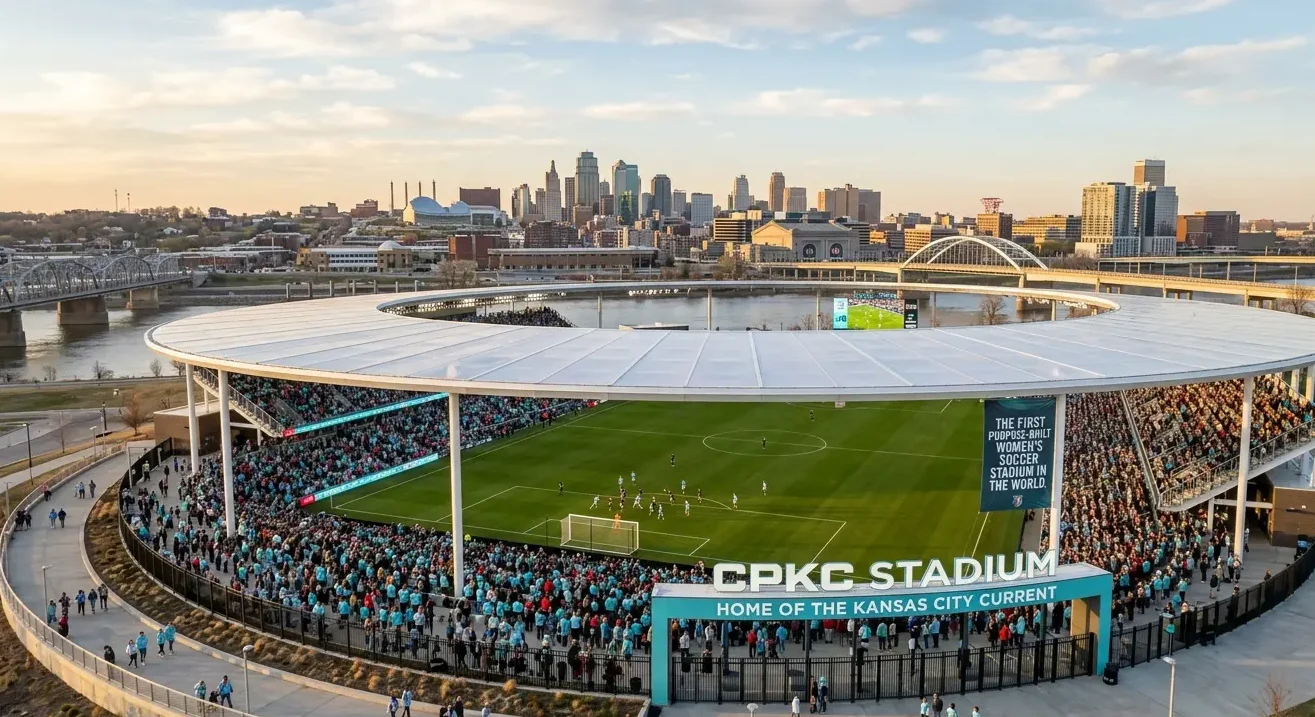
The Kansas City Current, established in 2021 by local business executives Angie and Chris Long alongside Brittany Mahomes, became the first franchise in the world to open a purpose-built stadium for women’s soccer. CPKC Stadium opened its doors in March 2024.
With a capacity of 11,500, the stadium is designed to create an intimate and intimidating home advantage. According to club president Raven Jemison, games in Kansas City are consistently sold out, reflecting a strong localized marketing strategy and a dedicated fan base. This infrastructure investment correlates with on-field success; the Kansas City Current dominated the 2025 regular season, winning the NWSL Shield by a 21-point margin.
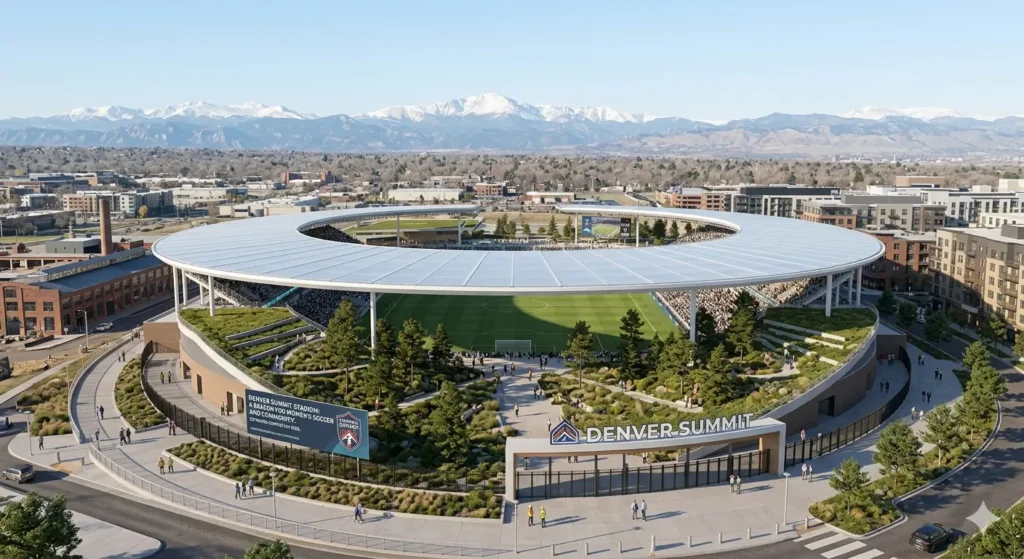
Following the blueprint established in Kansas City, the new US franchise Denver Summit is constructing a 14,500-seat stadium, slated to open for the 2028 NWSL season. Designed by the architectural firm Populous, the venue is being built on the site of a former tire factory.
The Denver project emphasizes community integration and athlete-specific design. Sherri Privitera, senior principal at Populous, noted that the stadium will feature fully private locker rooms, flexible communal seating, and specialized facilities such as sensory rooms for nursing mothers.

The primary driver behind constructing purpose-built women’s soccer stadiums is financial sustainability. When teams operate as tenants, they frequently miss out on critical matchday revenue streams.
Denver Summit president Jen Millet emphasizes that operating an independent stadium allows franchises to control revenue from food and beverage sales, parking, venue rentals, and retail.
Recent financial data highlights the success of this model. A 2025 analysis by Forbes indicated that the Kansas City Current led global revenue generation for women’s clubs, bringing in $36 million (£26.6 million).
Revenue Comparison Data (2025/2026)
| Club | League | Estimated Revenue | Stadium Status |
|---|---|---|---|
| Kansas City Current | NWSL | $36m (£26.6m) | Purpose-Built (Owned) |
| Arsenal | WSL | £21.5m | Shared / Parent Club Reliance |
| Chelsea | WSL | £21.3m | Kingsmeadow (Owned by Parent Club) |
Data sourced from Forbes (2025) and the Deloitte Rich List (January 2026).
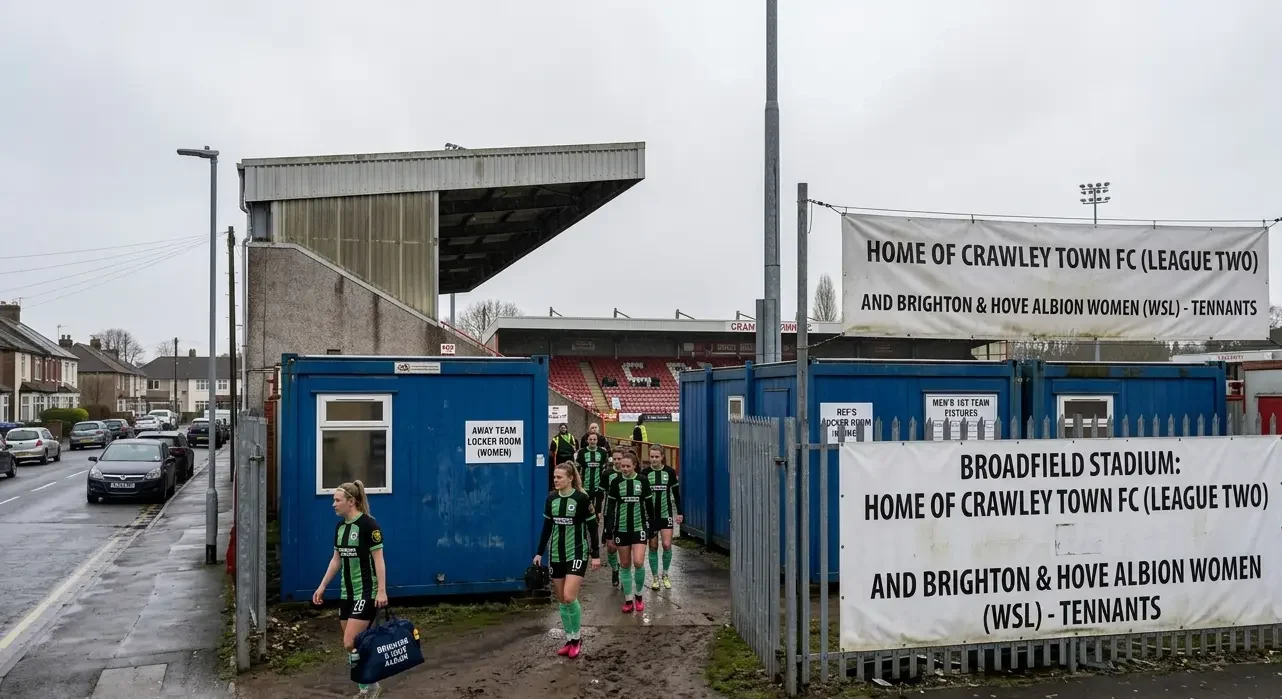
While NWSL teams are moving toward independence, the UK’s Women’s Super League (WSL) faces a different set of logistical challenges. Currently, 11 of the 12 top-flight WSL teams are attached to men’s operations.
While clubs occasionally host matches at large-capacity venues like Anfield or Villa Park, standard league games are often played at smaller, shared grounds. For instance, Everton has averaged 3,522 fans at Goodison Park during the 2025/2026 season—filling less than 10% of the stadium’s near-40,000 capacity. Efforts to build bespoke stadiums in the UK have faced hurdles; Brighton had a purpose-built stadium approved in October 2023, but the project is currently facing delays.
Stadium Attendance and Capacity Data
| Team | Stadium | Capacity | Average Attendance Note |
|---|---|---|---|
| KC Current | CPKC Stadium | 11,500 | Consistent Sell-outs |
| Denver Summit | TBD (2028) | 14,500 | N/A (Opening 2028) |
| Everton (WSL) | Goodison Park | ~40,000 | 3,522 (Current Season Avg) |

Why this matters:
Controlling infrastructure allows women’s soccer teams to operate as primary businesses rather than secondary assets. This shift enables teams to monetize matchdays fully, creating a sustainable financial loop that funds player acquisition, retention, and facility upgrades.
Short-term implications: Building independent venues requires massive upfront capital. Kansas City’s ownership group faced 39 rejections from banks before securing funding. For WSL teams heavily reliant on parent companies for financial backing, taking this leap remains a significant risk.
Long-term significance: As Kansas City co-owner Chris Long notes, owning a facility provides a powerful recruiting tool. Over the next decade, owning a bespoke stadium may transition from a competitive advantage to a baseline requirement for top-tier professional women’s soccer teams globally.
The movement toward purpose-built women’s soccer stadiums is fundamentally changing the business model of the sport. With the Kansas City Current proving the financial and athletic viability of the CPKC Stadium, and the Denver Summit preparing their own venue for 2028, independent infrastructure is emerging as a critical component of NWSL success. While European leagues like the WSL face distinct financial and structural challenges in adopting this model, the commercial benefits of venue ownership are becoming impossible to ignore.
FAQ Section
What is the first purpose-built stadium for women’s soccer?
The CPKC Stadium in Kansas City, home to the NWSL’s Kansas City Current, is the world’s first stadium built specifically for a professional women’s soccer team. It opened in March 2024.
Why are NWSL teams building their own stadiums?
Teams are building their own stadiums to control scheduling and capture matchday revenue streams, including food, beverage, parking, and merchandise, rather than operating as tenants in shared facilities.
How does NWSL revenue compare to the WSL?
According to recent data, top NWSL independent teams are generating more revenue than their European counterparts. For example, the Kansas City Current generated $36 million in 2025, surpassing top WSL earners like Arsenal (£21.5m) and Chelsea (£21.3m).
Engagement Element
What are your thoughts on this development? Do you think European teams in the WSL will eventually follow the NWSL’s lead and invest in their own purpose-built stadiums, or will the shared-stadium model persist? Let us know in the comments below.